

Common Maritime Injuries and Legal Rights for Offshore Workers
Understanding Your Rights Under Maritime Law
Working on oil rigs, supply vessels, and other offshore platforms in the Gulf of Mexico is demanding, dangerous work. Louisiana’s offshore workers face unique hazards every day. When accidents happen far from shore, the consequences can be devastating, leaving workers with serious maritime injuries, lost income, and uncertain futures. If you’ve been injured while working offshore, understanding your legal rights is vital.
When you’re injured working offshore, you’re not covered by Louisiana’s standard workers’ compensation system. Instead, federal maritime law governs your case, providing protections specifically designed for seamen and offshore workers. Under the Jones Act and general maritime law, injured offshore workers can pursue compensation by proving their employer’s negligence contributed to their injury. This means you can potentially recover full damages, including all medical expenses, lost wages, pain and suffering, and diminished earning capacity, far exceeding what workers’ compensation would provide. Beyond the Jones Act, injured maritime workers may also have rights under maintenance and cure, a centuries-old maritime doctrine requiring vessel owners to pay for medical treatment and basic living expenses while you recover, regardless of fault.
At Palazzo Law Firm, we’ve spent over 30 years helping Louisiana maritime workers and their families navigate these claims. Understanding which laws apply to your specific situation requires experience with maritime claims. The type of vessel you worked on, your job duties, where the injury occurred, and other factors all influence your legal options. Let’s explore common offshore injuries, your rights under maritime law, and how an experienced offshore injury lawyer in Louisiana can help you pursue the compensation you deserve.
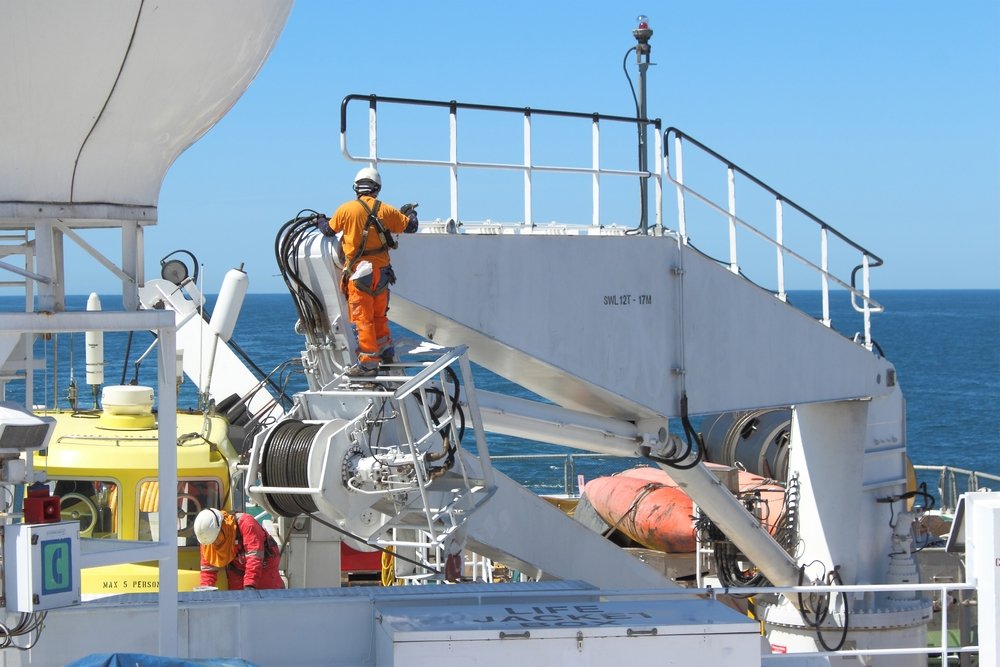
Common Types of Offshore and Maritime Injuries
Offshore work environments present hazards that workers in other industries rarely face. Understanding common injury types helps explain why these cases require specialized legal representation.
Crush Injuries and Equipment Accidents
Oil rigs and supply vessels are packed with heavy machinery, cranes, winches, and drilling equipment. When equipment malfunctions or operators make mistakes, workers can suffer catastrophic crush injuries. Limbs caught in machinery, workers struck by falling pipe or equipment, and hands or fingers crushed in chain or cable systems are tragically common. These injuries often result in amputations, permanent disability, and the end of a worker’s offshore career. Crush injuries typically require multiple surgeries, extensive rehabilitation, and lifelong medical care.
Head and Brain Injuries from Falls or Blows
Traumatic brain injuries are among the most serious offshore injuries. Workers can suffer head injuries from falls on slippery decks, being struck by equipment or tools, and impacts during rough weather or vessel movement. Even workers wearing hard hats can sustain serious brain injuries when struck with sufficient force. Traumatic brain injuries can cause cognitive impairment, personality changes, chronic headaches, balance problems, and difficulty returning to work. Many offshore workers who suffer brain injuries never fully recover and cannot return to their previous occupation.
Back and Spinal Injuries from Heavy Lifting or Impact
Offshore work demands constant physical labor: lifting heavy equipment, operating machinery, and working in awkward positions in confined spaces. This takes a tremendous toll on workers’ backs and spines. Common back and spinal injuries include herniated or bulging discs, fractured vertebrae, spinal cord damage causing paralysis, and chronic back pain requiring surgery. Back injuries can be career-ending for offshore workers whose jobs require physical strength and endurance. Even with treatment, many workers face chronic pain and permanent work restrictions.
Burns, Chemical Exposure, and Fires on Oil Rigs
Oil rigs handle flammable materials under high pressure, creating constant fire and explosion risks. When accidents occur, workers can suffer severe thermal burns from fires and explosions, chemical burns from exposure to drilling fluids and other hazardous materials, respiratory injuries from inhaling toxic fumes, and eye injuries from chemical splashes. Burn injuries are particularly devastating, often requiring skin grafts, multiple surgeries, and leaving permanent scarring. Workers who survive serious burns face long, painful recoveries and permanent disfigurement.
These are just some of the injuries offshore workers face. Other common maritime injuries include electrocution from faulty wiring or equipment, drowning or near-drowning incidents, hypothermia from cold water exposure, and repetitive stress injuries from the physical demands of offshore work.
How a Maritime Accident Attorney Helps After an Injury
Offshore injury cases are complex. Employers and their insurance companies have legal teams protecting their interests, and they often try to minimize their liability and reduce what they pay injured workers. Having an experienced maritime accident attorney levels the playing field.
Investigating the cause and proving negligence is the foundation of your case. We determine what happened, identify who was at fault, and gather evidence proving your employer’s negligence contributed to your injury. This investigation often reveals safety violations, inadequate training, equipment maintenance failures, and unsafe work practices that caused your accident.
Gathering evidence requires knowing what to look for and how to obtain it. Critical evidence in offshore injury cases includes vessel maintenance and inspection records, crew statements and witness testimony, company safety policies and training records, equipment maintenance logs, weather and sea condition reports, accident reports filed with the Coast Guard or other agencies, and your medical records documenting the injury and treatment. Many of these documents are in the employer’s control, and companies don’t voluntarily hand over evidence that hurts their case. An experienced offshore injury lawyer knows how to legally compel production of these records through the discovery process.
Pursuing damages means fighting for full and fair compensation that addresses all your losses. In maritime injury cases, you may be entitled to all past and future medical expenses, lost wages and diminished earning capacity, pain and suffering, disability and disfigurement, and loss of enjoyment of life. Our goal is maximizing your total recovery from all available sources.
Palazzo Law Firm understands the offshore industry. We know the equipment, the hazards, and the common ways employers cut corners on safety. This knowledge helps us build stronger cases and achieve better results for our clients.
What to Do After a Maritime Injury
The actions you take immediately after an offshore injury can significantly impact your legal case. Here’s what you should do:
- Step 1: Report the injury immediately: Maritime law requires prompt injury reporting. Tell your supervisor, the vessel captain, or another appropriate authority about your injury as soon as it happens. Make sure the injury is documented in the vessel’s logs. If you delay reporting, the employer may claim your injury wasn’t serious or didn’t happen as you described.
- Step 2: Get medical treatment right away: Your health comes first. Accept medical treatment offered by your employer, whether it’s the rig medic, ship’s doctor, or evacuation to shore for hospital care. Follow all treatment recommendations and attend all scheduled appointments. Gaps in treatment give insurance companies ammunition to argue your injuries weren’t serious.
- Step 3: Document everything: Take photos of your injuries, the accident scene if possible, and any equipment involved. Get names and contact information for witnesses. Keep copies of all medical records, bills, and correspondence with your employer or their insurance company. Write down your memory of how the accident happened while details are fresh.
- Step 4: Avoid early settlement offers: Employers and their insurance companies often approach injured workers with quick settlement offers soon after an accident. These offers are almost always far less than what your case is worth. Once you accept a settlement and sign a release, you give up your right to pursue additional compensation, even if your injuries turn out to be more serious than initially thought. Don’t accept any settlement or sign any documents without first consulting with a Louisiana offshore injury lawyer.
- Step 5: Contact an experienced maritime accident attorney: The sooner you have legal representation, the better protected your rights will be. An attorney can communicate with your employer and their insurance company on your behalf, preserve evidence before it disappears, advise you on your legal options, and ensure you don’t make statements or sign documents that hurt your case.
Many offshore workers worry about contacting a lawyer because they fear losing their job or being blacklisted in the industry. Federal law prohibits retaliation against workers who assert their legal rights. You have every right to seek legal advice and representation after an injury, and employers cannot legally punish you for doing so.
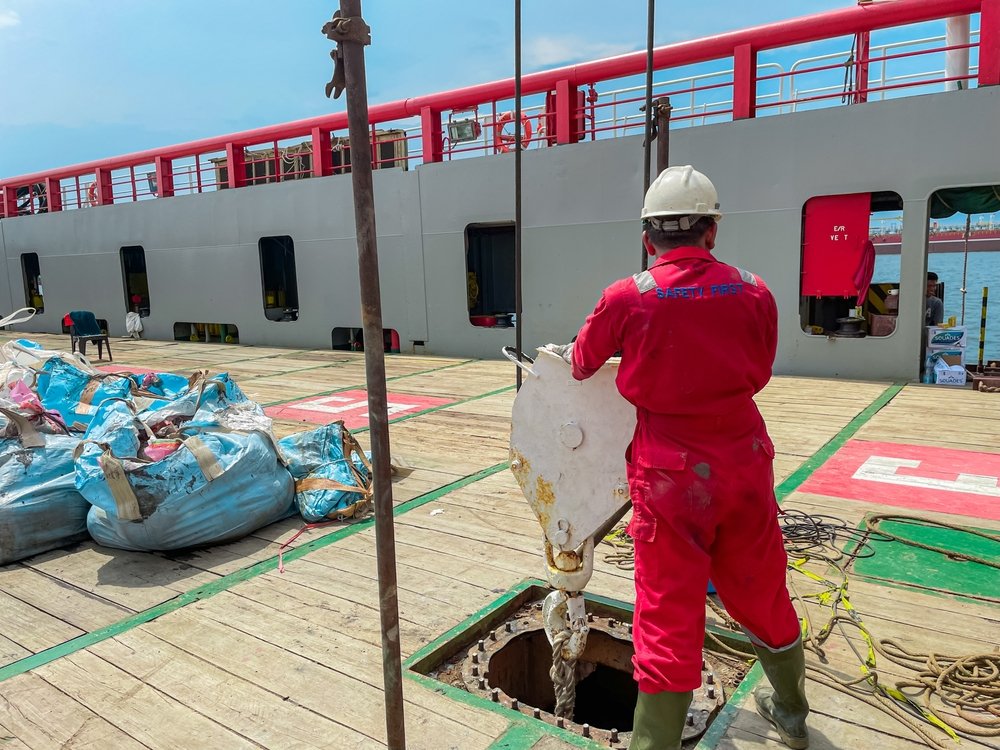
When to File an Oil Rig Injury Lawsuit
Maritime law imposes strict deadlines for filing injury claims, and missing a deadline can permanently bar you from seeking compensation. Jones Act claims generally must be filed within three years of the injury, though this deadline can be shortened if your employment contract includes specific notice requirements. Maintenance and cure claims don’t have a specific statutory deadline, but unreasonable delay in pursuing these claims can create problems. Unseaworthiness claims typically must be filed within three years. While three years might sound like plenty of time, don’t wait. Evidence disappears, witnesses’ memories fade, and employers may destroy or lose important documents. Starting your case early gives your attorney maximum time to investigate thoroughly and build the strongest possible case.
Local experience matters in Louisiana courts. Maritime law is federal, but cases are tried in local courts before local judges and juries. Having an attorney who regularly practices in Louisiana maritime courts provides significant advantages. We understand local court procedures, know the judges’ tendencies, and have relationships with local maritime experts who strengthen our cases. At Palazzo Law Firm, we’ve been protecting Louisiana offshore workers and their families for over 3 decades. We understand the challenges you face, the fears you’re dealing with, and the financial pressures an injury creates. Our mission is taking the legal burden off your shoulders so you can focus on recovery while we fight for the compensation you deserve.
Talk to a Louisiana Offshore Injury Lawyer Today
If you’ve been injured working offshore, you don’t have to face the legal system alone. The maritime accident attorneys at Palazzo Law Firm have the experience, resources, and commitment to guide you through this process and fight for your rights.
We offer free consultations where we’ll review your case, explain your legal options, and answer your questions with no obligation and no pressure. We work on contingency, meaning you don’t pay any attorney fees unless we recover compensation for you. We advance all case costs, so you never have to worry about upfront legal expenses.
Offshore work shouldn’t cost you your health, your livelihood, or your future. When employers fail to provide safe working conditions and you get hurt, they should be held accountable.
Don’t wait. Schedule your free consultation with Palazzo Law Firm today and let us help you understand your rights and pursue the justice and compensation you deserve.

